
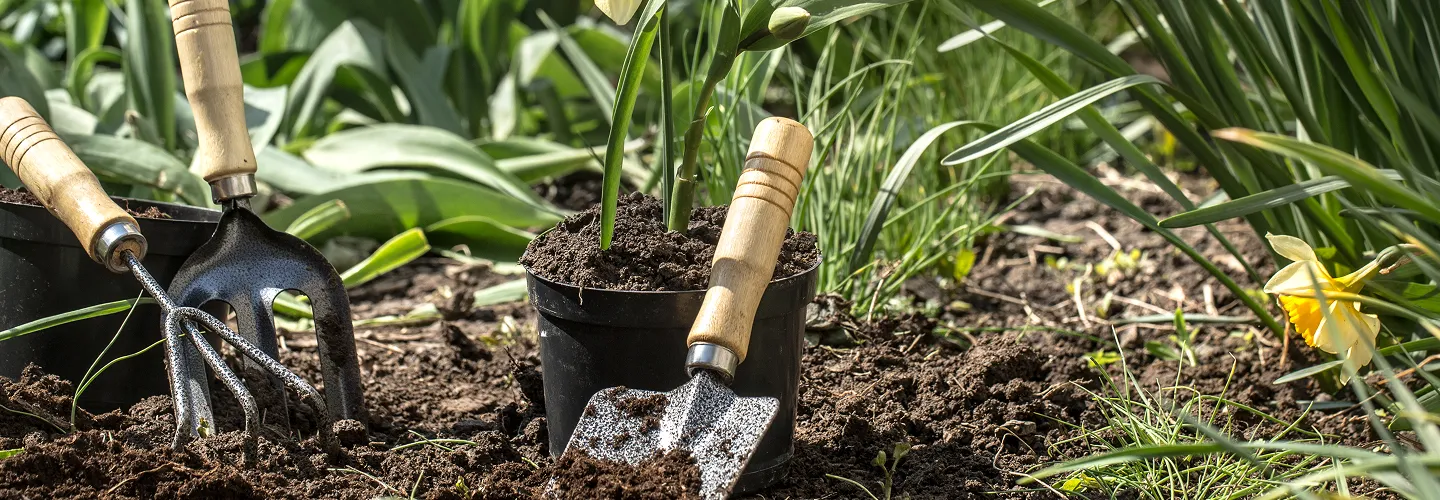
Canterbury Lawn Edging Services
Choose our Lawn Edging for crisp, clean lines that elevate your garden’s appearance and make maintenance effortless—experience professional results that stand the test of time.
Get a Free QuoteOur Canterbury Landscaping & Yard Care Services
When to Schedule Lawn Edging in Canterbury, Connecticut – Seasonal Guide
In Canterbury, Connecticut, the best times to schedule lawn edging are typically in early spring and late fall. These periods align with the region’s moderate temperatures and increased soil moisture, making it easier to achieve crisp, clean edges without causing stress to your turf. Canterbury’s climate, characterized by cold winters and humid summers, means that edging during the peak of summer heat or the frozen winter months is less effective and can even damage your lawn.
Local factors such as the proximity to the Quinebaug River, the shaded lots near Baldwin Brook, and the varied soil types found in neighborhoods like Westminster and South Canterbury all play a role in determining the ideal timing for lawn edging. Homeowners should also consider the last frost date, which typically falls in late April, and the risk of summer droughts that can impact soil conditions. For more information on local environmental guidelines, visit the Sudbury municipal site.
Local Factors to Consider for Lawn Edging in Canterbury
- Tree density and shade coverage, especially in wooded areas like those near the Canterbury Green
- Soil type and drainage, which can vary between sandy soils in the east and heavier clay in the west
- Seasonal precipitation patterns and risk of drought, particularly during July and August
- Terrain and slope, affecting water runoff and edge stability
- Municipal restrictions or recommendations regarding landscaping practices
Benefits of Lawn Edging in Canterbury

Enhanced Curb Appeal
Weed Growth Prevention
Defined Garden Borders
Low Maintenance Solutions
Professional Installation
Long-Lasting Results

Canterbury Lawn Edging Types

Brick Lawn Edging
-
Metal Lawn Edging
-
Timber Lawn Edging
-
Plastic Lawn Edging
-
Stone Lawn Edging
-
Concrete Lawn Edging
-
Natural Rock Lawn Edging
Our Lawn Edging Process
Site Evaluation
Marking Edges
Cutting the Edge
Debris Removal
Final Inspection
Why Choose Canterbury Landscape Services

-
Canterbury Homeowners Trust Us
-
Expert Lawn Maintenance
-
Reliable Seasonal Care
-
Competitive Pricing
-
Professional Team
-
Satisfaction Guarantee
-
Personalized Service
Canterbury’s Glacial Till Soils and Lawn Edging Depth Requirements
Lawn edging in Canterbury, CT must account for the region’s predominant glacial till soils, which are typically classified as Inceptisols and Ultisols according to the USDA Web Soil Survey. These soils are often rocky, moderately acidic (pH 5.5–6.5), and can be poorly drained, especially in low-lying areas. For effective and durable edging, it is recommended to install edging materials to a depth of 4–6 inches to penetrate the stony subsoil and prevent shifting. Soil compaction is common in developed neighborhoods, so mechanical edging tools may be necessary. Before installation, a soil test through UConn Extension (typical cost: $15–25) is advised to determine pH and organic matter content. Incorporate 2–3 inches of compost to improve structure if needed. Always verify property boundaries and maintain a minimum 25-foot buffer from wetlands as required by local ordinance.
Canterbury CT Land Use & Building
1 Municipal Drive, Canterbury, CT 06331
Phone: (860) 546-6035
Official Website: Canterbury CT Land Use & Building
Municipal Coordination for Lawn Edging Debris and Collection in Canterbury
Proper disposal of sod, soil, and plant debris generated during lawn edging is regulated by Canterbury’s Department of Public Works. Yard waste collection is typically scheduled every Thursday from April through November. Residents must use biodegradable paper bags or reusable bins (32-gallon maximum); plastic bags and branches over 4 inches in diameter are prohibited. Accepted materials include grass clippings, leaves, and brush under 4 feet in length. Debris should be placed curbside by 7:00 AM on collection day. For large projects, the town transfer station is available for direct drop-off during posted hours. Failure to comply with collection guidelines may result in fines. For questions about collection schedules or disposal procedures, contact:
Canterbury CT Public Works
1 Municipal Drive, Canterbury, CT 06331
Phone: (860) 546-6035
Official Website: Canterbury CT Public Works
Environmental Compliance: Wetland Buffers and Stormwater Protection in Canterbury
Lawn edging projects near wetlands, streams, or protected watercourses in Canterbury must comply with both local and state environmental regulations. The Connecticut Environmental Protection Act and the town’s Inland Wetlands & Watercourses Commission require a minimum 25-foot no-disturbance buffer from delineated wetlands. No soil, mulch, or debris may be deposited within this zone. The Connecticut Department of Energy and Environmental Protection (CT DEEP) enforces MS4 stormwater permit requirements, prohibiting discharge of sediment or organic matter into storm drains. All runoff controls must be in place before work begins. For properties adjacent to wetlands, a permit may be required; application review typically takes 10–15 business days. For guidance on compliance and permit applications, contact:
Canterbury CT Inland Wetlands & Watercourses Commission
1 Municipal Drive, Canterbury, CT 06331
Phone: (860) 546-6035
Official Website: Canterbury CT Inland Wetlands & Watercourses Commission
Equipment Operation Hours and Safety Standards for Lawn Edging in Canterbury
Operation of lawn edging equipment in Canterbury is subject to municipal noise ordinances and safety protocols. Permitted hours for powered equipment are:
- Monday–Friday: 7:00 AM – 7:00 PM
- Saturday: 8:00 AM – 6:00 PM
- Sunday and holidays: Prohibited All operators must use commercial-grade edging tools with functioning mufflers, and noise levels must not exceed 85 decibels at the property line. Personal protective equipment (PPE) is required, including:
- Eye protection: ANSI Z87.1 safety glasses
- Hearing protection: Earmuffs or plugs for 85+ dB
- Footwear: Steel-toed, non-slip boots
- Gloves: Cut-resistant for manual edging When working within 15 feet of public roads, high-visibility vests and traffic cones are mandatory. For additional safety guidance, consult:
Canterbury CT Public Works
1 Municipal Drive, Canterbury, CT 06331
Phone: (860) 546-6035
Official Website: Canterbury CT Public Works
What Neighborhoods Do We Serve Throughout Canterbury, CT?
- Westminster: Characterized by mature trees and rocky soils, edging projects here often require mechanical tools to address compaction and stony subsoil. Wetland proximity is common, necessitating strict buffer compliance.
- South Canterbury: Features newer developments with improved drainage but occasional fill soils. Larger lot sizes allow for wider edging designs, but equipment access may be limited by landscaping.
- Prudence Crandall Area: Historic district with established lawns and narrow streets. Edging must respect property lines and local preservation guidelines; hand tools are often preferred to minimize disturbance.
- North Canterbury: Rural properties with variable slopes and seasonal water table fluctuations. Drainage management is critical, and projects may require additional soil amendments.
- Canterbury Center: Mix of residential and civic properties, with moderate tree cover and average soil pH. Edging projects must coordinate with town events and public facility schedules.
- Quinebaug River Corridor: Properties adjacent to the river face floodplain restrictions and require erosion control measures. Edging must maintain a 25-foot buffer from the riverbank and comply with conservation area rules.
Seasonal Timing and Climate Considerations for Lawn Edging in Canterbury
Canterbury is located in USDA Hardiness Zone 6b, with average last frost in late April and first frost in late October. Optimal timing for lawn edging is mid-April through early June or late August through September, when soil temperatures are between 50–65°F and moisture levels are moderate. Avoid edging during July–August due to heat stress and potential soil compaction. For best results:
- Spring edging: April 15 – May 30
- Fall edging: August 20 – September 30
- Avoid: June–August (high heat, drought risk) Monitor local weather forecasts through the National Weather Service – Boston/Norton Office for rainfall and temperature updates. For additional climate adaptation strategies, consult UConn Extension for region-specific recommendations.